Selecting the Top Roofing Materials: Professional Advice From the Team at Premier Roofing & Exteriors
Selecting the correct roofing materials can substantially impact a home's aesthetic appeal and durability. Premier Roofing & Exteriors outlines several options, including metal roofing, asphalt shingles, and clay tiles, each delivering unique qualities. Factors such as climate and architectural style are essential factors in this choice. Understanding the long-term value of quality materials is important, yet many homeowners neglect key factors that can influence their choices. What should they consider next?
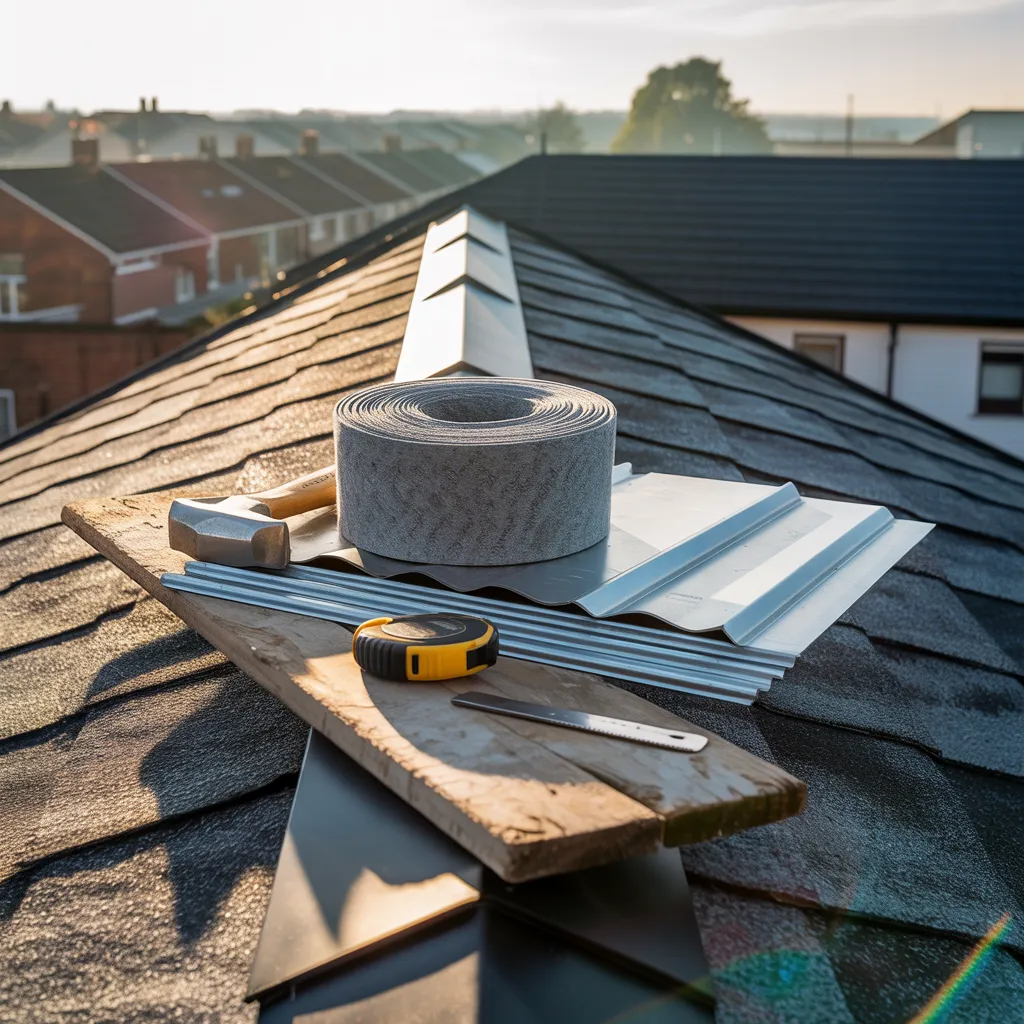
Understanding Different Roofing Materials
When choosing roofing materials, what should homeowners take into account? Many choices exist, each featuring unique traits, benefits, and limitations. Asphalt shingles are widely favored for their cost-effectiveness and straightforward installation, making them a frequently selected option for numerous home projects. Metal roofing, known for its durability and energy efficiency, is ideal for those prioritizing extended lifespan and decreased cooling expenditures. Clay and concrete tiles provide visual charm and are capable of enduring diverse weather conditions, though they tend to be heavier and more expensive. Wood shakes deliver a natural aesthetic but demand consistent upkeep to avoid deterioration. Homeowners need to also weigh local weather patterns, structural aesthetics, and cost restrictions. Ultimately, the choice of roofing material should align with personal preferences and practical needs, ensuring a balance between functionality and visual appeal while enhancing the property's overall value.
How to Determine Durability and Longevity
Examining long-term performance and durability in roofing materials is critical for homeowners seeking to make an informed decision. To assess these factors, one should look at the material's ability to withstand weather conditions such as wind, rain, and hail. For instance, metal roofs tend to outlast asphalt shingles when it comes to durability, often remaining intact for over 50 years given adequate upkeep.
Another significant aspect is the manufacturer's guarantee, which can shed light on projected life expectancy and sturdiness. It is also important for homeowners to consider local climate conditions, as certain materials may fare better in particular settings. To illustrate this point, clay tiles hold up well against intense heat and cold, rendering them a great choice for warmer climates.
In addition, gathering specialist feedback and reviews can support the analysis of performance history. In the end, selecting materials that match both local requirements and individual preferences ensures a long-lasting roofing solution that safeguards homes for many years.
Expense vs. Benefit in Roofing
Grasping the connection between expense and worth in roofing materials is integral to arriving at educated decisions. House owners often deal with the dilemma of reconciling short-term expenditures with long-term gains. While lower-cost materials may reduce starting costs, they may prove lacking in longevity and require more frequent replacements, in the end driving up total expenses. On the other hand, choosing premium-quality materials can yield significant savings over time through superior lasting power and decreased maintenance necessities.
Worth also includes elements like energy efficiency and aesthetic appeal. Roofs that offer better insulation can lower energy bills, offering a return on investment that exceeds the initial expenditure. Moreover, an attractive roof can boost a property's market value. As a result, assessing roofing choices should go beyond price and take into account long-term benefits and possible savings. Ultimately, a thorough analysis of cost versus value will guide homeowners toward more rewarding roofing selections.
Finding the Perfect Roofing Style for Your Home's Architecture
How can homeowners guarantee their roofing style complements their home's architecture? Choosing the appropriate roofing style is essential for creating visual harmony and improving curb appeal. Homeowners should first consider their home's architectural design. To illustrate, a modern home tends to work well with flat or low-slope roofs, while timeless styles like Colonial or Victorian are best suited to gable or hip roofs.
Furthermore, the surrounding environment plays a crucial role. Properties near the coast might consider materials designed to resist salt and moisture, while those in harsh winter climates may demand roofs built to handle heavy snowfall. Color coordination is also critical; a roof should blend with the exterior palette to produce a seamless visual effect. Working with architectural specialists or consultants can provide valuable insights, guaranteeing that the preferred roofing option not only suits personal aesthetic choices but also honors the structural character of the home.
Upkeep Advice for Your Preferred Roofing Material
Proper maintenance of roofing systems is vital for extending their lifespan and ensuring top-level efficiency. Property owners should carry out regular inspections, ideally twice a year, to recognize possible problems such as damaged shingles or debris accumulation. Maintaining drainage channels and downpipes avoids water-related damage and supports effective drainage. For asphalt shingles, guaranteeing adequate ventilation can reduce excessive heat accumulation, which may cause deterioration. Metal roofs require regular examinations for rust or loose fasteners, while ceramic roofing should be inspected for fractured roofing tiles.
Additionally, ensuring trees are kept trimmed away from the roof lowers the risk of falling branches and decreases moss or algae growth. Where required, swift repairs should be performed to keep minor issues from escalating. Lastly, consulting a professional for routine maintenance or inspection can deliver expert knowledge and confirm that the roofing material is kept in superior condition, boosting the home's overall value and safety.
Answers to Your Most Common Questions
How Do Various Roofing Materials Impact the Environment?
Roofing materials differ significantly in their environmental effects. Asphalt shingles contribute to landfill waste, but metal roofs present a recyclable alternative. Green roofs offer insulation benefits, yet the process of installing them can require substantial resources, highlighting the need for careful selection.
How Do Weather Conditions Affect Roofing Material Performance?
Environmental weather factors greatly affect roofing material durability and function. Extreme temperatures can cause expansion or contraction, as heavy precipitation such as rain or snow may result in leaks. Powerful wind forces may displace or harm materials, compromising their overall durability and performance over time.
Can I Install New Roofing Over Existing Materials?
Absolutely, new roofing materials can be applied on top of existing ones, provided the structure is sound and local building codes allow it. This method can save time and costs, yet a comprehensive assessment Premier Roofing & Exteriors remains vital to ensure lasting performance.
What Are the Common Warranties Available for Roofing Materials?
Common warranties for roofing materials include manufacturer warranties, typically covering defects for 20 to 50 years, and workmanship warranties, spanning from one to ten years, based on the contractor selected, guaranteeing quality installation and reliable material performance.
How to Find a Dependable Roofing Contractor
To choose a dependable roofing professional, homeowners should research reviews, check licenses and insurance, obtain detailed estimates, and ensure clear communication. Direct referrals and examining prior projects can further build confidence in the contractor's expertise.